

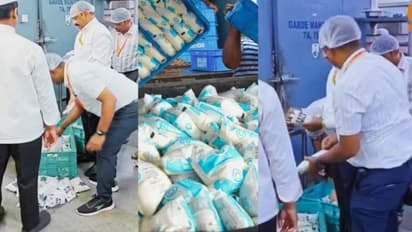
Expired milk and fungus-affected vegetables raise serious food safety concerns at Bengaluru’s luxury hotels. Food safety inspections in Bengaluru have raised fresh concerns about hygiene standards at some high-end hotels. Reports of expired milk and fungus-affected vegetables being found during inspections have put food storage and kitchen practices under the scanner. 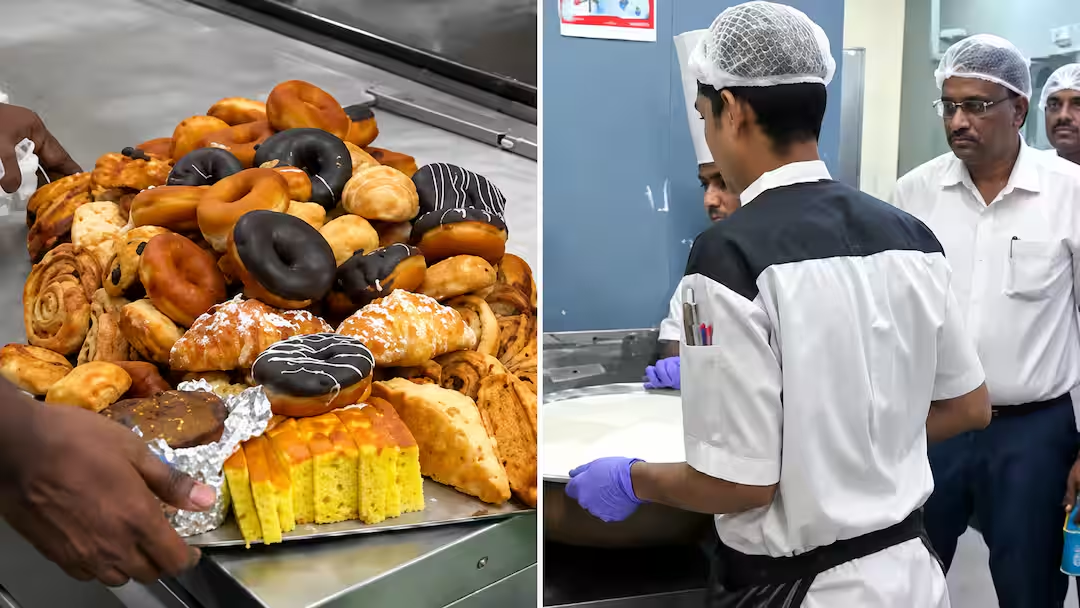
Food Safety Checks Underway
Food safety officials regularly inspect hotels and restaurants to check whether food safety rules are being followed.These inspections usually focus on:
- Food quality
- Expiry dates
- Storage conditions
- Kitchen hygiene
- Cleanliness
- Food handling practices
- Refrigeration and temperature control
The latest findings have raised questions about whether proper checks were being carried out before food products reached the kitchen.
Expired Milk Raises Concern
- One of the reported concerns involves expired milk.
- Milk and other dairy products require careful storage because they can spoil quickly when kept under unsuitable conditions.
- Using expired dairy products can create serious food safety risks.
- Even if an expired product is not ultimately served to customers, storing it alongside fresh food can raise concerns about proper inventory management.
- Hotels are expected to maintain strict systems to check expiry dates and remove products that are no longer safe for consumption.
Fungus Found on Vegetables
- Another major concern is the reported discovery of vegetables showing signs of fungal growth.
- Fresh vegetables need to be inspected before they are used for cooking.
- Fungus or visible spoilage can indicate that food has not been stored properly or has been kept for too long.
- Such products should not enter the food preparation process.
- The finding has therefore raised questions about the quality checks followed inside commercial kitchens.
Why Hotel Kitchens Need Strict Checks
- Large hotels handle huge quantities of food every day.
- They often store milk, vegetables, meat, seafood, sauces, frozen products and other ingredients.
- Without proper monitoring, expired or spoiled products can remain in storage.
- A strong food safety system requires regular checking of every food item.
- Luxury Hotels Under Scanner
- Five-star hotels are generally associated with premium services and high standards.
- Customers often pay significantly more expecting better food quality, hygiene and service.
- Any food safety violation at such establishments can therefore damage customer confidence.
- The issue is not limited to the price of a meal.
- It is about whether customers can trust that the food being served has been stored, prepared and handled safely.
What Food Safety Rules Require
- Food businesses are expected to follow food safety and hygiene requirements.
- This includes maintaining clean kitchens and using safe ingredients.
- Hotels also need systems to monitor the condition and expiry dates of products.
- Food storage areas should be regularly checked.
- Products that are expired, damaged or spoiled should be removed immediately.
- Employees handling food also need proper hygiene practices.
- These steps can help prevent contamination and protect customers.
Health Risks of Spoiled Food
Eating spoiled or contaminated food can cause foodborne illness.
Symptoms may include:
- Stomach pain
- Vomiting
- Diarrhoea
- Nausea
- Fever
- Dehydration
The risk can be higher for children, elderly people and individuals with weaker immunity. This is why food safety inspections are important. They help identify problems before unsafe food reaches consumers.
What Happens After an Inspection?
- When officials identify violations, the concerned establishment can be asked to take corrective action.
- Depending on the nature and seriousness of the violation, authorities may also initiate further proceedings under applicable food safety regulations.
- The next step is usually to determine the exact nature of the violations.
- Authorities can also conduct follow-up inspections to check whether the problems have been corrected.
- Bigger Food Safety Question for Bengaluru
- The latest issue has also brought Bengaluru’s food safety system into focus.
- The city has a large number of restaurants, cafes, hotels and food businesses.
- With a growing food industry, regular inspections become increasingly important.
- Food safety is not only about restaurants.
- It also involves suppliers, storage facilities, kitchens and food handlers.
- Every stage of the supply chain plays a role in keeping food safe.
The reported discovery of expired milk and fungus-affected vegetables at Bengaluru hotels has raised fresh concerns over food safety and hygiene. The findings highlight the need for strict food storage, regular expiry checks and clean kitchen practices. Luxury hotels carry a strong responsibility because customers trust them to maintain high standards.
