

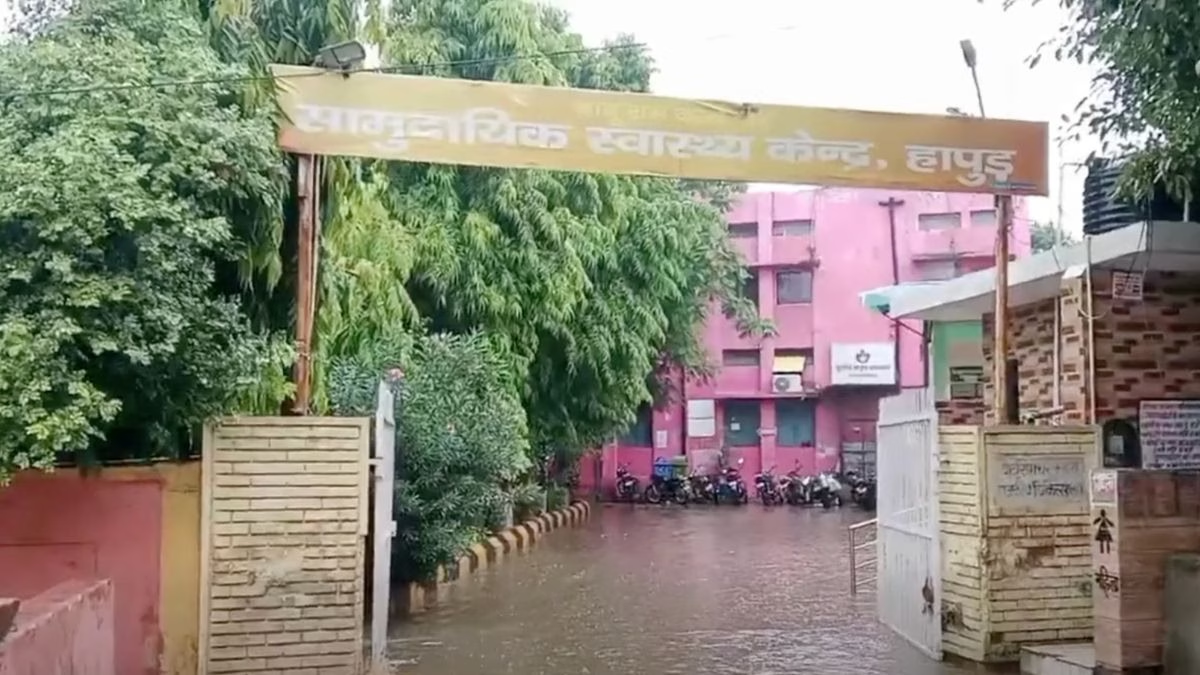
Every year, as the monsoon sweeps across India, hospitals brace for a predictable surge — dengue, typhoid, cholera, and viral fevers spike within weeks of the first heavy rains. For millions of Indian households, this seasonal pattern is almost as reliable as the rains themselves. Understanding why it happens is the first step to breaking the cycle.
Why Monsoon Creates the Perfect Conditions for Disease
Heavy rainfall overwhelms drainage systems in most Indian cities, leaving stagnant water pooled in streets, construction sites, and even rooftops. This standing water becomes a breeding ground for mosquitoes within just 4-7 days. At the same time, floodwater frequently mixes with sewage, contaminating groundwater and municipal supply lines — which is why waterborne illnesses cluster so tightly around the monsoon months.
The Five Illnesses Doctors See Most
Dengue and Malaria — Both are mosquito-borne and share early symptoms: sudden high fever, severe body aches, and fatigue. Dengue can additionally cause a sharp drop in platelet count, which is why doctors recommend blood tests rather than self-diagnosis.
Typhoid:
Spread through contaminated water and food, typhoid causes prolonged fever, weakness, and abdominal pain. It’s one of the most preventable illnesses on this list — boiling drinking water alone eliminates most of the risk.
Viral Fever:
Sudden temperature swings during monsoon weaken the body’s natural defenses, making viral infections spread faster through households and schools alike.
Gastrointestinal Infections:
Diarrhea and food poisoning surge sharply during monsoon, almost always traced back to contaminated water or street food exposed to rain and flies.
Fungal Skin Infections:
Constant dampness and wet clothing create ideal conditions for fungal infections, particularly in humid coastal and northern Indian cities.
Practical Prevention Steps
- Never let water stand for more than a day around your home
- Drink only boiled or filtered water during monsoon months
- Avoid street food during heavy rain periods
- Wash hands frequently, especially before meals
- Don’t ignore a fever — get tested rather than self-medicating
Frequently Asked Questions
How long does dengue fever typically last?
Most dengue fevers resolve within 4-7 days, though fatigue and weakness can linger for one to two weeks. Never take medication without medical supervision, as some common painkillers can worsen dengue-related bleeding risk.
Is every monsoon fever dengue?
No. Monsoon season brings several overlapping viral illnesses with similar symptoms. A blood test is the only reliable way to confirm dengue versus a typical viral fever.
What’s the single most effective prevention step?
Eliminating standing water around your home has the single biggest impact — it directly cuts mosquito breeding at the source, which drives both dengue and malaria transmission.
(This article is intended for general awareness. Please consult a qualified doctor for any health concerns.)
