

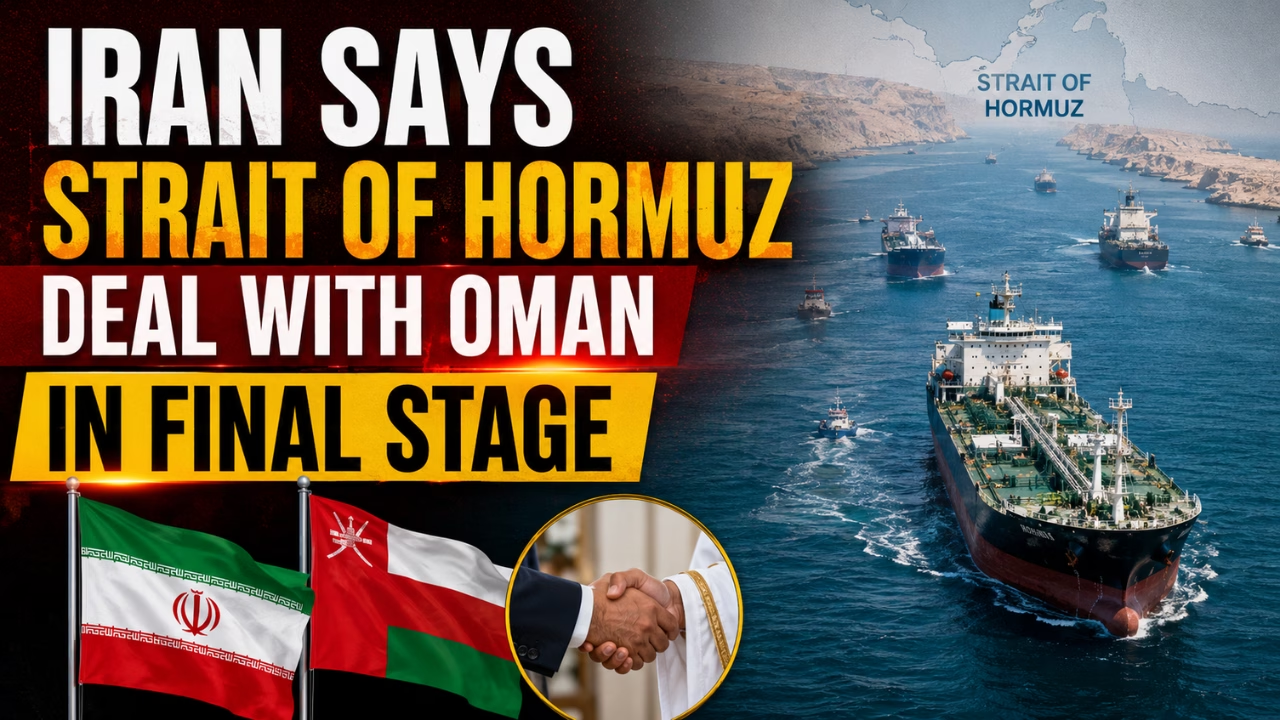
The strategic Strait of Hormuz, one of the world’s most important shipping routes, could soon see a major breakthrough. Iran has announced that its negotiations with Oman over a new shipping arrangement are in the final stages, raising hopes of smoother maritime traffic through the crucial waterway.
The development comes after months of discussions between Tehran and Muscat aimed at creating a mutually agreed navigation route through the Strait, which has remained at the center of regional tensions.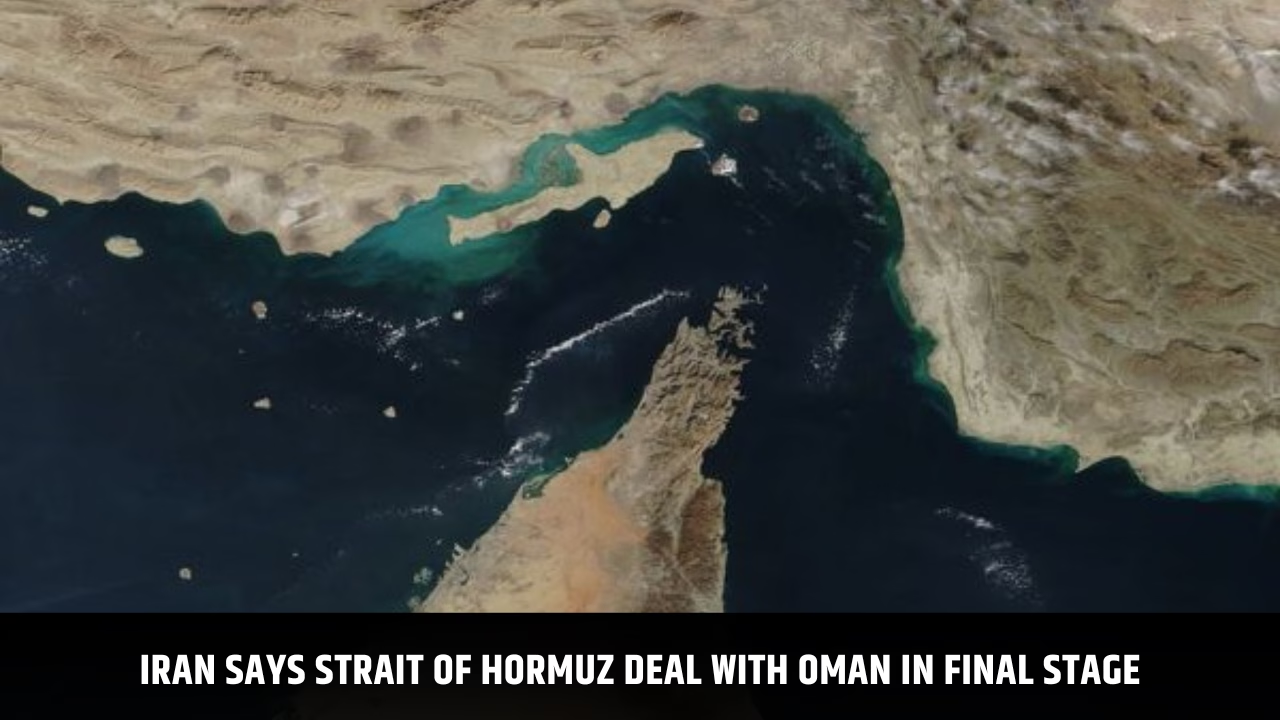
Iran Says Agreement Is Nearly Ready
Iranian Foreign Ministry spokesperson Esmaeil Baghaei said both countries have reached an understanding on the geographical coordinates of the proposed shipping route.
According to Iranian officials, a joint statement outlining the main points of the agreement is currently being reviewed and drafted. However, Tehran warned that the process could still be affected if “third parties” interfere in the negotiations.
Why the Strait of Hormuz Matters
The Strait of Hormuz is one of the busiest and most strategically important maritime passages in the world.
Every day, millions of barrels of crude oil and liquefied natural gas (LNG) pass through the narrow waterway, connecting Gulf producers with markets across Asia, Europe, and beyond.
Countries that rely heavily on the route include:
Saudi Arabia
United Arab Emirates
Kuwait
Iraq
Qatar
Iran
Any disruption in the Strait can immediately affect global energy prices and international shipping.
What the Proposed Deal Includes
Reports indicate that Iran and Oman have agreed on the framework for a designated shipping corridor through the Strait.
While many technical details are still under discussion, officials say the arrangement would define navigation routes and improve coordination between the two neighboring countries. Some reports suggest Iran would gain greater oversight of inbound shipping traffic, though the final agreement has not yet been officially released.
Security Concerns Remain
Iran has clarified that reaching an agreement with Oman alone will not automatically guarantee complete security in the Strait of Hormuz.
Regional tensions, international sanctions, and broader geopolitical issues continue to influence the situation. Iranian officials say additional cooperation from other stakeholders will also be necessary to ensure long-term stability.
Possible Impact on Global Markets
If the agreement is finalized, analysts believe it could:
Improve the safety of commercial shipping.
Reduce uncertainty in global oil markets.
Support more stable energy supplies.
Ease concerns among international shipping companies.
Energy traders and governments are closely monitoring the negotiations because even small changes in the Strait of Hormuz can influence crude oil prices worldwide.
Oman Continues Its Mediator Role
Oman has long been viewed as a neutral mediator in Middle East diplomacy. The country has played an important role in facilitating dialogue between regional rivals and continues to act as a bridge in negotiations over maritime security.
Its involvement has helped keep communication channels open despite broader regional tensions.
What Happens Next?
Iran says the agreement is almost ready.
Officials are completing the final review before making a formal announcement.
However, regional tensions could still affect the timeline.
For now, governments and energy markets will continue to monitor every update.
Conclusion
The proposed Strait of Hormuz agreement between Iran and Oman could become an important step for regional stability.
If finalized, it may improve shipping security, support global trade, and reduce pressure on energy markets.
