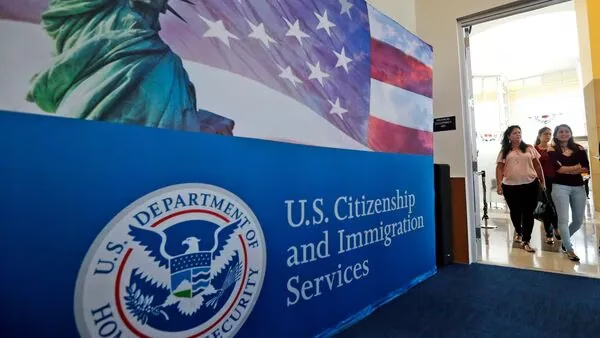

Immigration Changes Under Trump: Spouses of US Citizens Face New Challenges
The Trump administration has introduced a series of immigration policy changes that are reshaping the legal immigration system in the United States. While much of the public attention has focused on border security and deportation measures, recent changes are also affecting spouses of U.S. citizens who are seeking permanent residency through marriage.
The new policies increase scrutiny of marriage-based immigration applications, extend processing times, and require applicants to provide more evidence to prove the legitimacy of their relationships. Immigration attorneys say families should prepare for a more detailed review process than in previous years.
What Has Changed?
Marriage-based green cards have traditionally been one of the most common pathways to permanent residency in the United States. Under the latest immigration measures, however, applicants now face stricter verification requirements.
Some of the key changes include:
Enhanced background and security checks
More detailed documentation proving a genuine marriage
Greater review of applicants’ social media history
Additional scrutiny of family relationships
Longer processing times due to expanded vetting procedures
More Evidence Required for Couples
Couples applying for a marriage-based green card are now expected to provide stronger evidence that their relationship is genuine.
Officials may request documents such as:
Joint bank account statements
Lease or mortgage agreements
Utility bills
Insurance policies
Tax returns filed jointly
Photos together over time
Travel records
Affidavits from friends and relatives
Immigration experts advise applicants to maintain organized records throughout their relationship to avoid delays during the review process.
Longer Processing Times Expected
One of the biggest concerns for families is the increase in application processing times.
Expanded background investigations and additional document requests have slowed many immigration cases. Applicants may receive Requests for Evidence (RFEs), requiring them to submit extra documents before a final decision is made.
These delays can affect:
Employment authorization
Travel permissions
Green card approval timelines
Family reunification plans
Increased Security Screening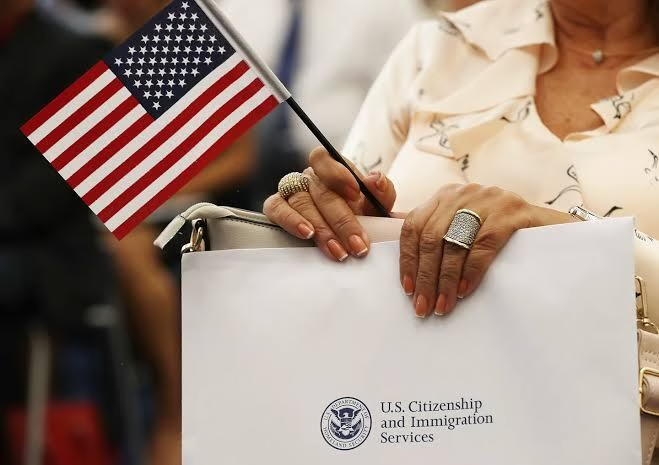
The administration has expanded security screening for many immigration applicants.
New forms require additional personal information, including years of social media history and more detailed family background information. Officials say these measures are intended to strengthen national security and improve fraud detection.
Critics, however, argue that the increased documentation requirements create unnecessary delays for legitimate families.
Travel and Immigration Risks
Some immigration attorneys are advising applicants to exercise caution when traveling internationally while their cases are pending.
Depending on an individual’s immigration status, leaving the United States before receiving proper authorization could complicate the application process or lead to additional delays. Applicants should seek legal guidance before making international travel plans.
Immediate Relatives Still Have Priority
Despite the stricter review process, spouses of U.S. citizens remain classified as immediate relatives under U.S. immigration law. This means they are generally
not subject to annual visa quotas, unlike many family-preference immigration categories.
However, being exempt from visa limits does not remove the requirement to satisfy all eligibility, security, and documentation standards during the application process.
Impact on Families
The policy changes have created uncertainty for thousands of international families.
Supporters argue that stronger screening helps prevent immigration fraud and protects national security. Critics contend that the expanded review process places additional stress on genuine couples who simply wish to build a life together in the United States
Final Thoughts
The Trump administration’s immigration policies continue to reshape legal immigration, including the process for spouses of U.S. citizens seeking permanent residency. While marriage-based immigration remains available, applicants should expect more detailed documentation requirements, longer processing times, and increased security screening.
Couples planning to apply should stay informed about the latest immigration updates, prepare comprehensive evidence of their relationship, and consider consulting an experienced immigration attorney if their case involves complex circumstances.