

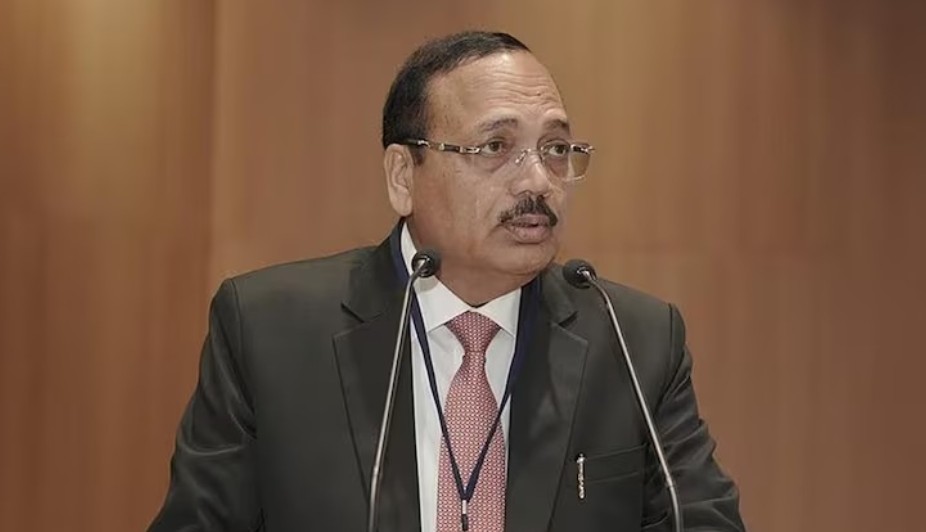
Justice Surya Kant assumed office on 24 November 2025 after being appointed earlier by the President on the recommendation of the judiciary. The ceremony was attended by senior dignitaries and members of the legal fraternity.

His tenure as CJI is expected to run until his retirement on 9 February 2027.
Stated Priorities and Administrative Agenda
In interviews and pre-swearing statements Justice Surya Kant identified two central administrative priorities :
• Reducing arrears/pendency in the Supreme Court
• Encouraging mediation and alternative dispute resolution to unclog the judicial pipeline
He also emphasized the importance of setting up constitution benches to dispose of long-pending and significant constitutional questions.
These priorities have been widely reported and are likely to shape bench allocations and court administration under his leadership.
Immediate Challenges Facing The CJI
• Heavy Pendency
The Supreme Court’s docket exceeds tens of thousands of pending matters such as clearing oldest cases and reducing the backlog while preserving deliberative adjudication will be a central administrative challenge.
• Constitution Benches and Systemic Cases
Several constitution-level questions await constitution benches like timely constitution and disposal of such matters will be crucial to resolving many downstream cases in High Courts.
• Public Trust and Judicial Independence
Managing media scrutiny, public expectations on sensitive cases, and defending institutional independence amid social media pressures were flagged by Justice Kant in pre-oath comments.
Justice Surya Kant’s tenure as CJI begins at a moment of heavy caseload and significant constitutional questions. His background – from small-town legal practice to the apex court – combined with a public emphasis on clearing arrears and promoting mediation, sets expectations for an administrative-centred CJIship that seeks to balance timely disposal with the adjudication of major constitutional issues.
However, how effectively these priorities are translated into bench allocations, listing reforms and sustained institutional action will determine the tangible impact of his tenure.
