

Introduction
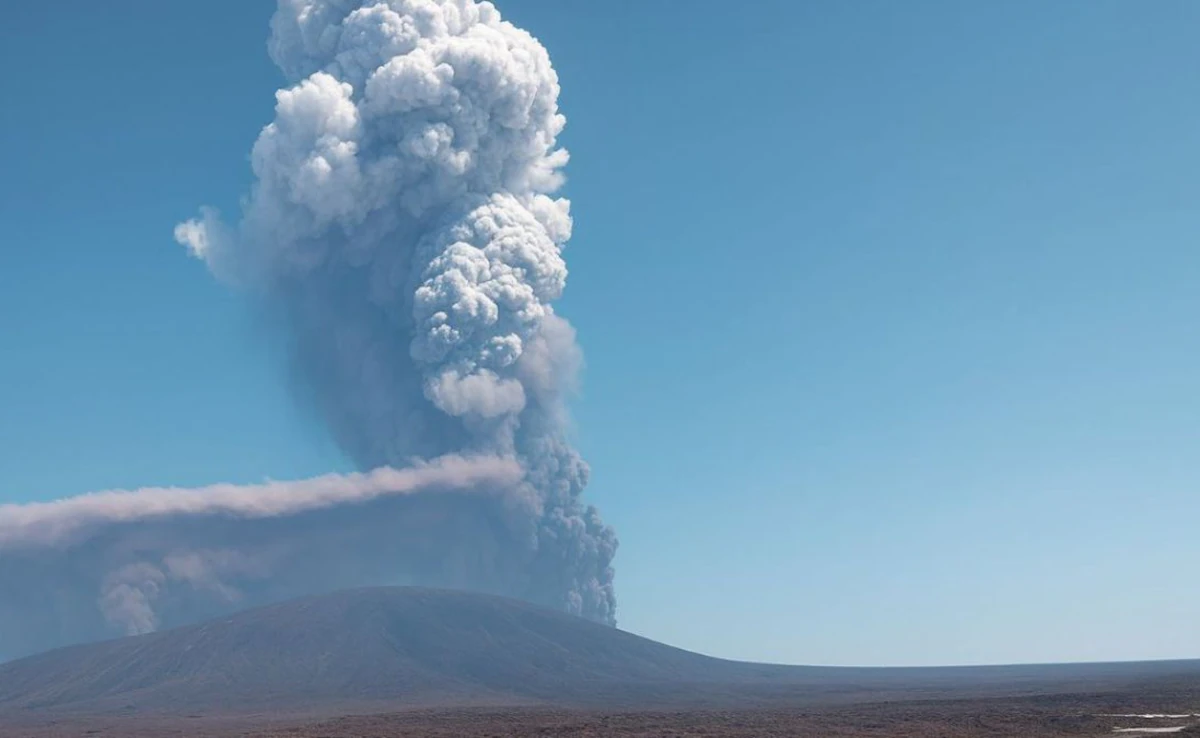
The Ethiopian Volcano Ash Impact on Delhi has become a major concern after Ethiopia’s Hayli Gubi volcano erupted on Sunday. The eruption released a massive ash plume that is now moving toward India and raising questions about its effect on flights and weather.
Experts are studying how the ash from the Hayli Gubi volcano may influence India, especially the Ethiopia volcano’s ash on Delhi, including its impact on flight routes, air quality, and overall NCR conditions.
From Ethiopia’s Volcano to India’s Concerns
The eruption in Ethiopia has caused worry in India. The Hayli Gubi volcano released a large ash cloud that is now drifting east. The ash and sulphur dioxide are moving toward Indian air routes, so aviation authorities have issued alerts. We are already seeing its effect on flight operations.
Cloud of Ash Headed for India
According to satellite imagery, the cloud of ash has moved beyond the Arabian Peninsula. The ash cloud can now be seen in the state of Gujarat and is travelling towards the states of Rajasthan & Delhi-NCR (National Capital Region), Punjab and Haryana. As of now, the levels of ash remain relatively low; however, authorities are remaining vigilant concerning this evolving situation.
Experts are tracking the Ethiopia Volcano Ash Impact on Delhi to understand how long the disruption may continue.
Effect on Aviation
Several airlines have adjusted flight paths and altitudes to mitigate possible impacts from this ash plume.
- The Delhi-Amsterdam service was operated on Monday; however was cancelled by the airline.
- An IndiGo flight from Kannur to Abu Dhabi was forced to turn back to Ahmedabad as the ash plume was detected ahead of them.
The DGCA (Directorate General of Civil Aviation) has communicated to all airports to evaluate runway conditions and cease operations until the ash has been cleared; certifications have not been made at IGI Airport yet, but they have personnel standing by to be deployed if ash is detected.
Dangers of Volcanic Ash
Volcanic ash is composed of fragments of glass and rock. When a jet engine ingests these items, the ash melts inside the engine. Once it cools, it forms solid glass-like material, which could cause the engine’s failure, harm to the engine, or both.
The presence of ash in the atmosphere also creates reduced visibility as well as damage to sensors and windshields. Even light concentrations of ash in the atmosphere may result in jet re-routing or cancellation.
Delhi’s Weather Forecast
According to experts, northern India will be slightly affected by the ash from the eruption. Expect reduced visibility or a hazy atmosphere due to any accumulation of ash in this region. The addition of sulphur dioxide, which can have cooling effects, may lead to a localized impact on weather and air quality in Delhi and surroundings; however, at this time, there are no significant weather changes expected for Delhi.
Future Tracking By Meteorologists
Meteorologists will be watching the ash plume during the next few days. If the plume remains thin, India may see a maximum of minor flight disruptions with slight haze; If the plume becomes denser, we may see additional flights cancelled due to poor visibility. Travellers should continually monitor for updates about their flights and stay flexible in their plans.
