

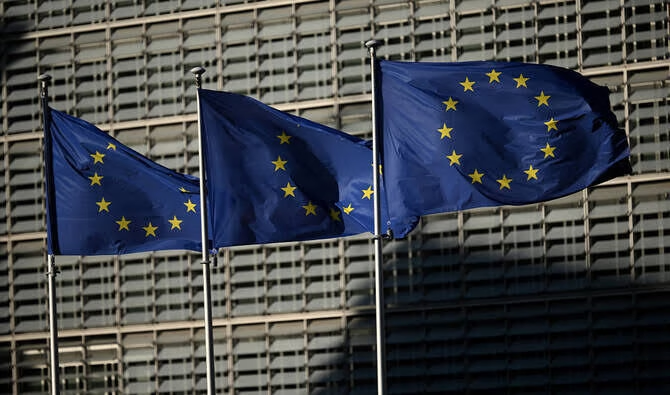
Why the EU Raised Human Rights Concerns
The European Union (EU) has expressed serious concern over the human rights situation in Pakistan. During discussions on the country’s trade preferences under the Generalised Scheme of Preferences Plus (GSP+), the EU called on Islamabad to fully comply with its international commitments.
The EU said that continued access to trade benefits under the new GSP framework depends on Pakistan’s progress in implementing international conventions related to human rights, labour rights, environmental protection, and good governance.
Why the EU Raised Concerns
The European Union regularly reviews countries that receive trade benefits under the GSP+ programme. During its latest assessment, the EU highlighted concerns about Pakistan’s human rights record.
According to the EU, Pakistan needs to make stronger efforts to protect fundamental freedoms and ensure that international obligations are fully implemented. The EU stressed that respecting human rights remains an important requirement for countries receiving GSP+ trade preferences.
What Is the GSP+ Framework?
The Generalised Scheme of Preferences Plus (GSP+) is a special trade programme offered by the European Union to developing countries.
Under this scheme, eligible countries receive reduced or zero customs duties on thousands of products exported to EU member states.
In return, participating countries must effectively implement 27 international conventions covering:
Human rights
Labour rights
Environmental protection
Climate commitments
Good governance
The EU monitors compliance on a regular basis to ensure that beneficiary countries continue to meet these obligations.
EU Calls for Compliance
The European Union urged Pakistan to strengthen its implementation of international conventions. It said that progress in areas such as judicial independence, freedom of expression, minority rights, labour protections, and democratic governance will remain under close review.
The EU also encouraged Pakistan to continue reforms that improve accountability, transparency, and the protection of fundamental rights.
Why the Issue Matters
The European Union is one of Pakistan’s largest export markets. Products such as textiles, garments, leather goods, and sporting equipment benefit significantly from GSP+ trade preferences.
Any changes to Pakistan’s GSP+ status could affect exports, foreign investment, and economic growth. Therefore, continued compliance with international standards remains important for maintaining these trade advantages.
Pakistan’s Response
Pakistani authorities have repeatedly stated that they remain committed to implementing international obligations and improving governance. The government has also maintained that reforms are being introduced in several sectors to strengthen legal institutions and protect citizens’ rights.
The EU is expected to continue engaging with Pakistan through regular dialogue and future monitoring under the GSP+ framework.
What Happens Next?
The European Union will continue reviewing Pakistan’s implementation of the required international conventions under the new GSP framework.
Future assessments will examine the country’s progress in protecting human rights, strengthening democratic institutions, and fulfilling international commitments. The outcome of these reviews could influence Pakistan’s continued access to valuable EU trade preferences.
Conclusion
The European Union’s latest observations underline the importance of human rights and good governance in international trade partnerships. By urging Pakistan to comply with its international commitments under the GSP+ framework, the EU has reinforced that trade benefits and adherence to global standards go hand in hand.
As discussions continue, both the EU and Pakistan are expected to work through diplomatic engagement while monitoring progress on reforms and international obligations.
