

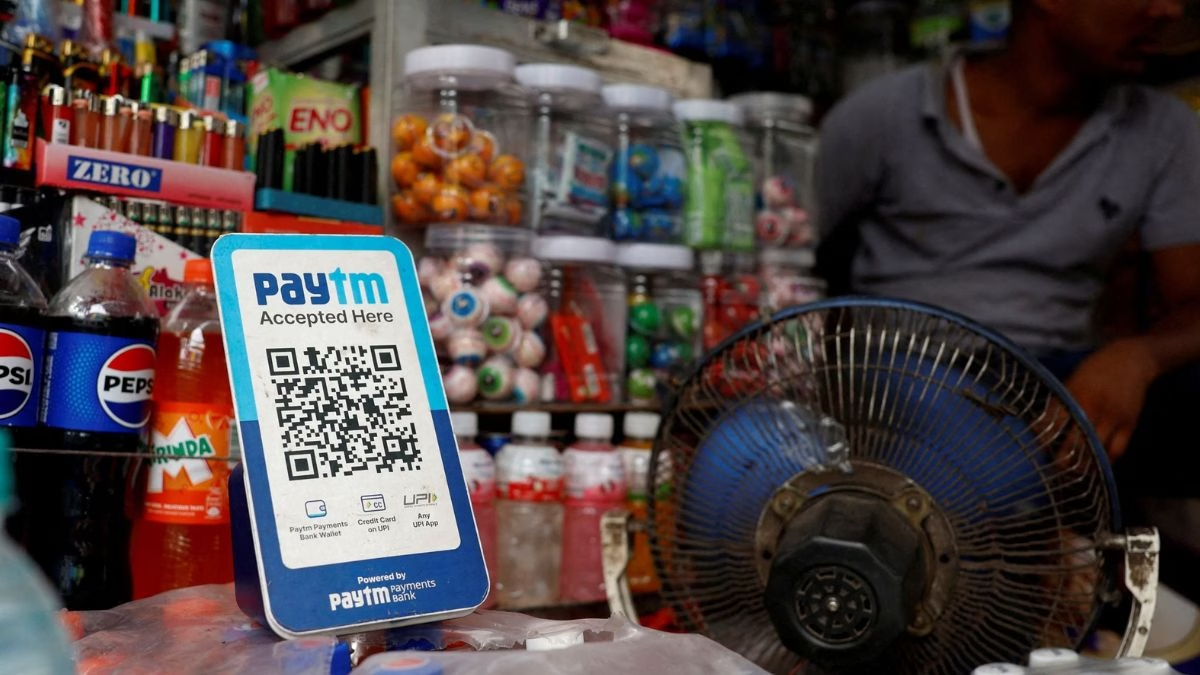
India processes over 15 billion UPI transactions every month, and scammers know it. As digital payments have become the default way most Indians move money, fraudsters have gotten faster, smarter, and far more convincing. Here are the scams currently catching the most victims — and the simple habits that stop nearly all of them.
Why UPI Scams Are Getting Harder to Spot
Unlike older scams that relied on obviously broken English or suspicious links, today’s UPI frauds often impersonate real bank alerts, use cloned customer-care numbers, or exploit the “collect request” feature that most users don’t fully understand. The money moves instantly and irreversibly — which is exactly why prevention matters more than recovery.
The 7 Scams You’re Most Likely to Encounter
1. The Fake “Collect Request” — A scammer sends a payment request disguised as money being sent to you. Approving it instantly debits your account instead of crediting it.
2. QR Code Swap Scams — Fraudsters paste fake QR codes over real ones at shops, redirecting payments to their own account instead of the merchant’s.
3. Fake Customer Care Numbers — Scammers post fake “bank helpline” numbers online. Calling them leads to a fraudster asking for your UPI PIN under the guise of “verification.”
4. Remote Screen-Sharing Apps — Victims are convinced to install apps like AnyDesk for “tech support,” giving scammers a live view of banking apps and OTPs.
5. KYC Update Scams — A message claiming your KYC has “expired” links to a fake portal designed to steal your PIN and details.
6. Job and Refund Scams — Fake job offers or refund promises ask victims to “verify” their account by entering a UPI PIN — which actually authorizes an outgoing payment.
7. Social Media Marketplace Scams — Buyers/sellers request a “collect” payment disguised as a deposit, banking on the victim not reading carefully.
How to Protect Yourself
- Your UPI PIN is only ever needed to send money — never to receive it
- Never install remote screen-sharing apps for anyone claiming to be bank support
- Verify customer care numbers only through your bank’s official app
- Check the payee name carefully before approving any request
- If something feels rushed or urgent, slow down — scammers rely on panic
What to Do If You’ve Been Scammed
Report the transaction immediately through your UPI app’s “Report Fraud” option, call your bank’s helpline to freeze further transactions, and file a complaint at cybercrime.gov.in or call 1930. Acting within the first few hours significantly improves recovery chances.
Frequently Asked Questions
Can someone steal money just by knowing my UPI ID?
No. A UPI ID alone cannot withdraw money — a PIN is always required to send funds. The danger is being tricked into entering that PIN.
Is it safe to scan any QR code to make a payment?
Only if you trust the source. Always confirm the payee name shown matches who you intend to pay before confirming.
What is the fastest way to report a UPI fraud in India?
Call 1930, the national cybercrime helpline, or use your UPI app’s dedicated fraud-reporting option, which can trigger an immediate transaction freeze request.
(This article is for general awareness only. If you suspect fraud, contact your bank and the National Cyber Crime Reporting Portal immediately.)
