

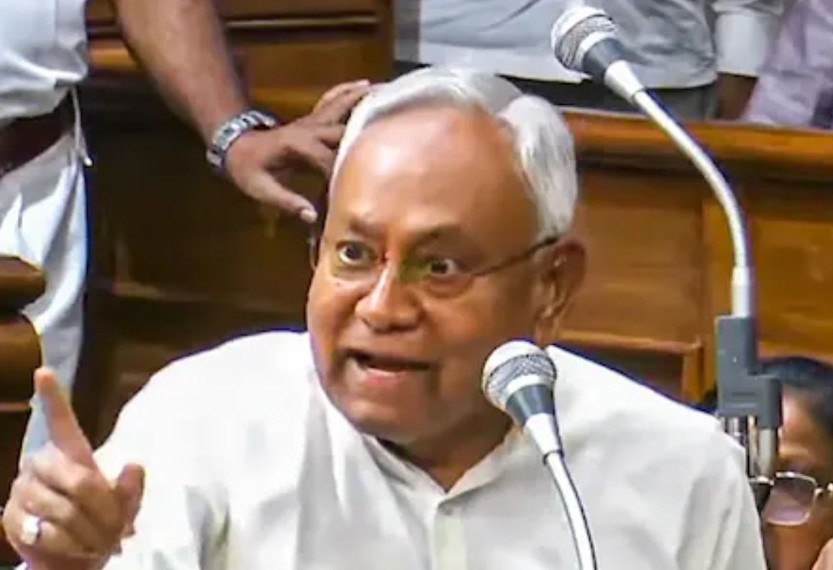
In the recent Bihar assembly elections 2025 , the National Democratic Alliance (NDA) achieved a landslide victory – winning 202 out of 243 seats.
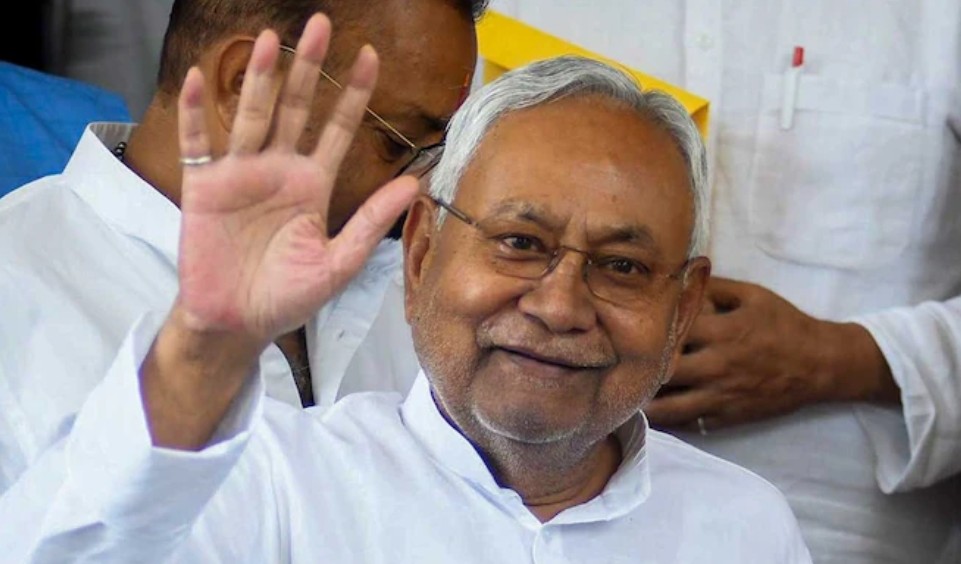
Within the NDA in Bihar, the two major partners are the Janata Dal (United) (JDU) and the Bharatiya Janata Party (BJP).
Nitish Kumar, whose long leadership in Bihar has been notable, is once again in the spotlight as the alliance enters its next phase.
What’s Happening Today : The Resignation and Meetings
On 19 November 2025, several key procedural and political moves are underway in Bihar.
Nitish Kumar is set to tender his resignation as Chief Minister of the outgoing government.
The resignation is part of the formal process to dissolve the outgoing assembly and pave the way for the new government formation.
Meetings of the JDU legislature party and the BJP legislature party are scheduled today, ahead of a joint NDA legislature-party meeting.
Afterwards, Nitish Kumar is expected to be elected as the leader of JDU’s legislative party, and then the leader of the NDA in Bihar.
The inauguration ceremony of the new government is planned for 20 November, at the historic Gandhi Maidan in Patna, with attendance from national leaders including Narendra Modi.
Why Resignation
The resignation is largely procedural. When a new term begins after an election, even though the same person may become Chief Minister again, the outgoing government must tender its resignation so that the new government can be constituted afresh. In this case, the process is being followed despite the same coalition remaining in power (with essentially the same leadership).
Political Messaging
The huge mandate for the NDA (202 seats) gives the coalition a strong position.
Although Nitish Kumar is widely expected to return as Chief Minister for what will be his 10th term, there remains a strategic balancing act – especially around ministerial portfolios, deputy chief minister posts, social representation (caste/gender), and the role of smaller alliance partners.
The BJP and JDU both having significant seats means negotiation is important. For example, there is competition for roles like Speaker of the Assembly, allocation of key portfolios such as Home, and the number of cabinet ministers each party gets.
