

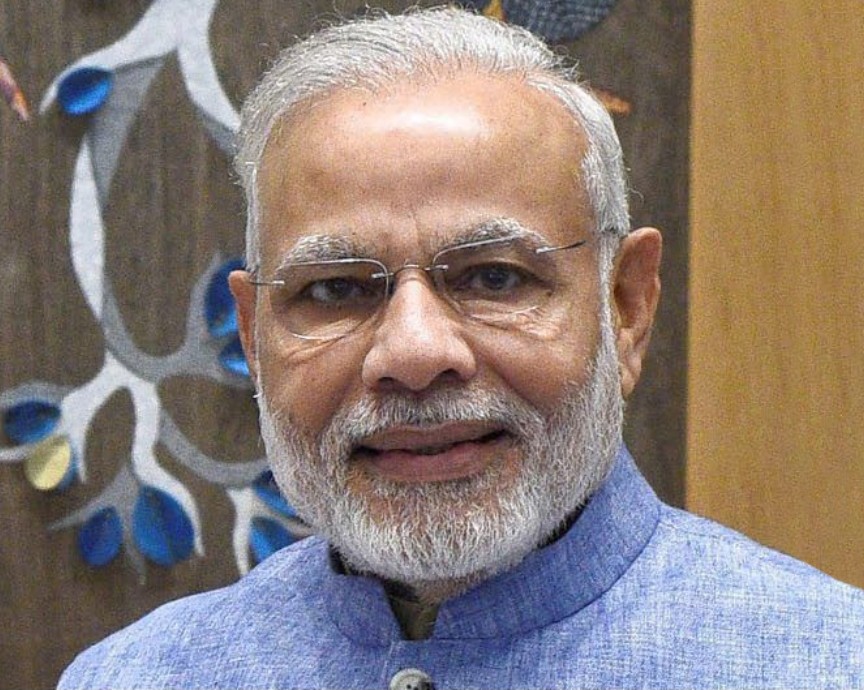
The Ramnath Goenka Lecture is organised by The Indian Express Group in memory of Ramnath Goenka, the group’s leader. The lecture is meant to serve as a bridge between the state and a free press, reflecting what Goenka described as the “heartbeat of a confident nation.“
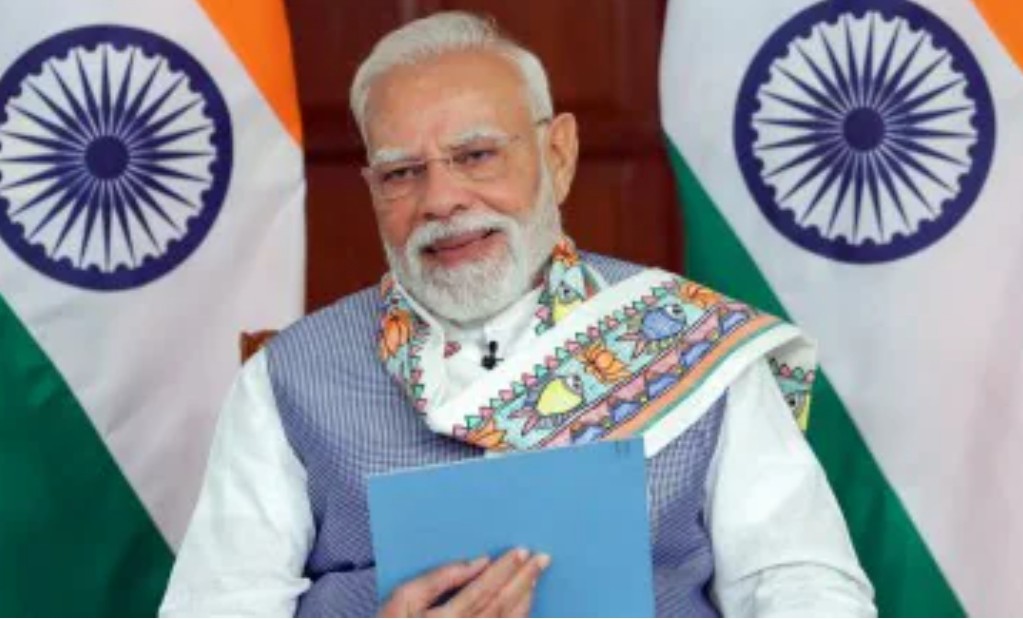
The series invites leaders who have “shaped change and inspired critical thought on the most pressing contemporary challenges.“
According to Viveck Goenka, Chairman of the Indian Express Group, the lecture is not a ceremony but a commitment to the values of truth-telling, accountability, and the power of ideas.
Why PM Modi’s Lecture Matters
• Symbolic Importance
Having the Prime Minister of India deliver this lecture is highly symbolic. As Viveck Goenka noted, it underscores dialogue between the government and the press.
• Contemporary Relevance
Goenka’s statement points to a world in flux – with shifting global power equations, uncertainty, and volatility.
• Press Freedom and Democracy
The lecture reaffirms the significance of media independence. Even Goenka frames this event not just as a talk, but as a reaffirmation of “dialogue between the state and the free press.“
• Vision for India
According to the earlier reporting, Modi is expected to talk about “courage, independence, and India’s enduring democratic spirit.”
Critiques and Potential Cautions
• Perception of Co-option
Some may perceive PM Modi’s invitation to this lecture as a way to project an image of openness, especially given concerns regarding press freedom in recent years.
• Symbol vs Substance
Whether this lecture leads to concrete policy or shifts in governance will be a key question. However, a symbolic address may have limited practical impact if not backed by institutional change.
• Audience and Reach
The impact of the lecture will depend on who attends, how it is reported, and how it is received in media and political circles.
• Expectations Management
Given the prestige of the lecture, expectations would be high. If Modi’s speech is perceived as too vague or overly rhetorical, there could be disappointment or criticism.
Thus, Modi’s participation would be seen as part of the tradition of statesmen engaging directly with the media not just as watchdogs, but as equal stakeholders in democratic discourse.
