

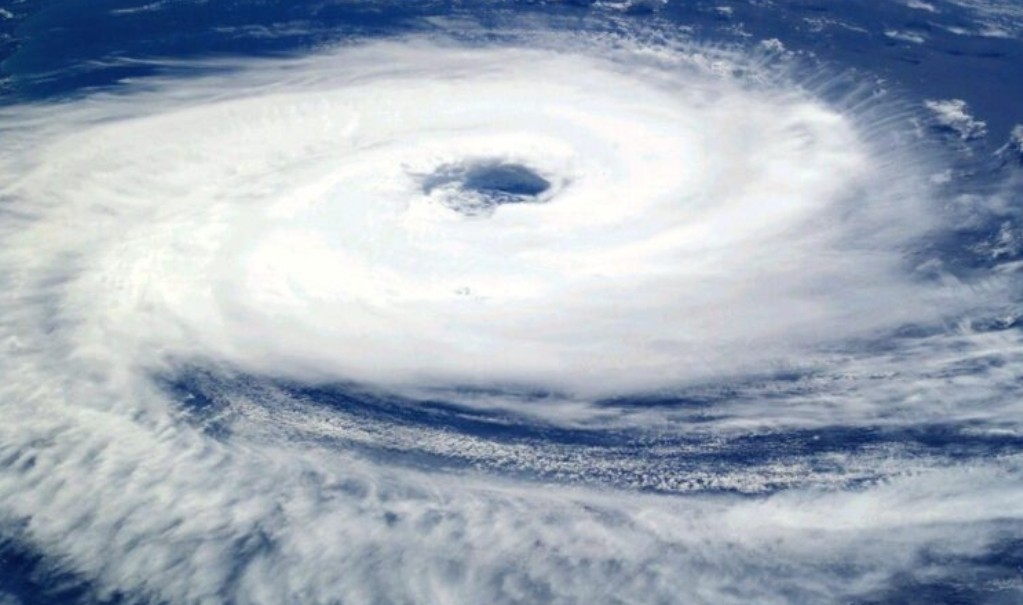
As of October 28, 2025, Cyclone Montha has intensified into a severe cyclonic storm. However, landfall is projected near Kakinada, between Machilipatnam and Kalingapatnam, during the evening or night.
The storm is expected to have maximum sustained winds of 90-100 km/h, gusting 110km/h, along with heavy to extremely heavy rainfall.
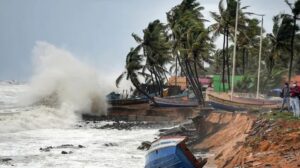
According to the initial reports, strong winds and heavy rainfall are already affecting the coastal districts of Andhra Pradesh, including Kakinada, Konaseema, and Nellore. Besides, damage to Uppada – Kakinada beach road has been reported.
This article basically highlights the post-landfall impact on the Coastal vegetation caused by Cyclone Montha, which are mentioned below :
Coastal Erosion and Geomorphological Changes
A storm surge of about 1 meter above the astronomical tide is anticipated, which can cause significant coastal flooding.
Winds and storm surge from Montha will likely lead to major morphological changes, including significant shoreline erosion and sediment movements. Besides, inundation is expected to push seawater far inland, affecting coastal habitats.
Damage to Fragile Coastal Landforms
The natural sand formation of Hope Island, which protects Kakinada from cyclones, is facing a direct threat from the storm. However, its ability to act as a barrier is being tested by Montha.
The storm surge and powerful waves will likely erode fragile coastal features like sand dunes and reefs which are vital for coastal protection and biodiversity.
Impact on Vegetation and Coastal Forests
Based on the impact studies of past cyclones, severe winds and coastal flooding are expected to cause damage to coastal mangrove forests, which act as a natural barrier against storms. Also, strong winds will likely cause widespread defoliation, defragmentation, and uprooting of trees in the coastal region.
Effects on Marine and Aquatic Life
Rough sea conditions and high waves pose a direct threat to marine life. Fishing communities, which have been evacuated, are particularly affected.
Coastal flooding will push saltwater into freshwater ecosystems like rivers, lakes and estuaries, causing salinity intrusion. However, this alters the habitat for freshwater species and can further impact agriculture.
