

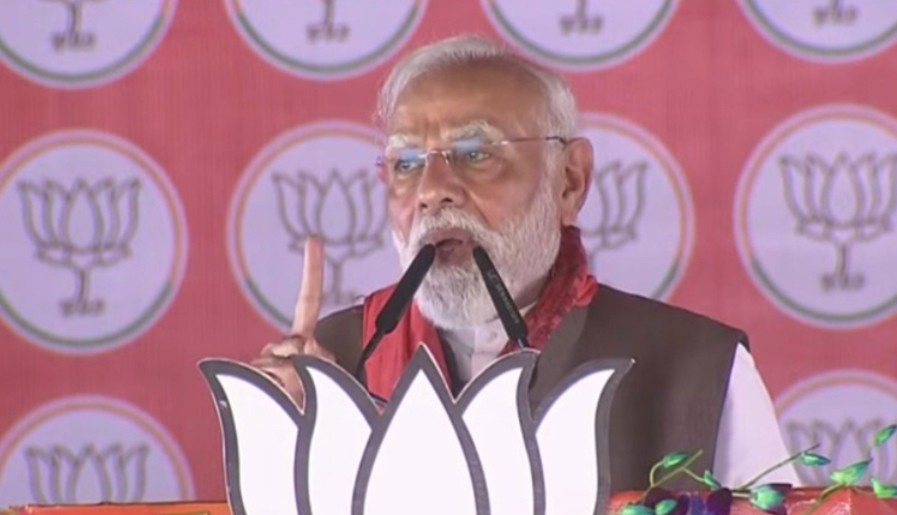
On 8 November 2025, Prime Minister Narendra Modi responding to the first-phase voter turnout in the Bihar Assembly elections declared the electorate delivered a “65-Volt Jhatka” to those who once presided over what he described as “Jungle Raj” in the state.
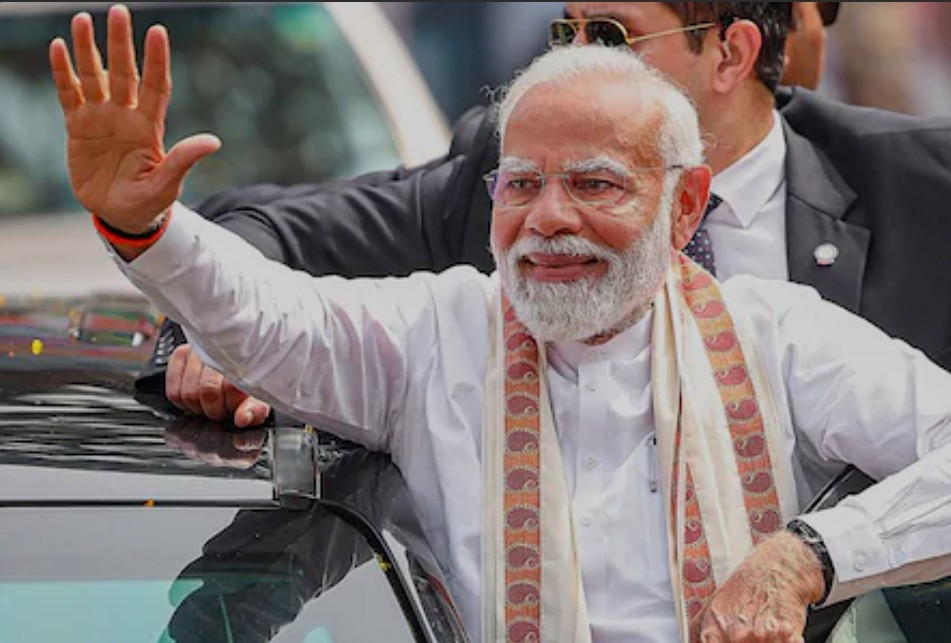
His remarks pointedly targeted the RJD and its allies, framing the high turnout not merely as democratic enthusiasm, but as a political repudiation of past governance models.
Voter Turnout : What Happened and Why It Matters
Media reports highlight the first phase of the Bihar election saw unusually high voter participation, which Modi seized upon.
Modi characterised the turnout as a direct rejection of a “Katta Sarkar” and by extension of the RJD’s era of influence.
The phrasing “65-Volt Jhatka” functions rhetorically: the number “65” signals the turnout figure and “Jhatka” (shock) signals a disruptive political moment.
The high participation is significant in electoral politics: higher turnout can indicate mobilisation of previously less-active voters, dissatisfaction with status quo, or strong drive by parties to the polls.
For Modi and his party, the turnout offers a ready narrative of momentum and popular endorsement. However, for the RJD and its allies it poses a challenge of interpretation—whether they were able to mobilise or were indeed being rejected.
Modi’s Rhetorical Strategy : Targeting RJD and “Jungle Raj”
Modi’s speeches have repeatedly targeted the RJD and Lalu Prasad Yadav’s legacy, accusing it of dynastic politics, corruption, and governance failures.
In his recent rally remarks, he linked the high turnout to a rejection of “Jungle Raj”
He accused the RJD of using “strong-arm” tactics within its alliance, such as “putting a katta to the head of the Congress” to impose its CM candidate.
The discourse around the Bihar Assembly election’s high voter turnout has become a central political flash-point. PM Modi’s invocation of a “65-Volt Jhatka” to the opposition, especially the RJD, serves as both a narrative framing of the moment and a strategic positioning for his party.
For the RJD, the challenge is to reclaim space in a narrative environment dominated by governance vs. disorder.
For voters, this election may have more at stake than usual: the narrative pits development and governance (as proposed by NDA) against a return to older politics (as posed by the RJD).
However, the crucial question for voters : Is the high turnout a signal of change, or simply an intensified version of existing electoral mobilisation?
