

Why the US Is Targeting Third World Countries: A Cold War Term Back in Debate
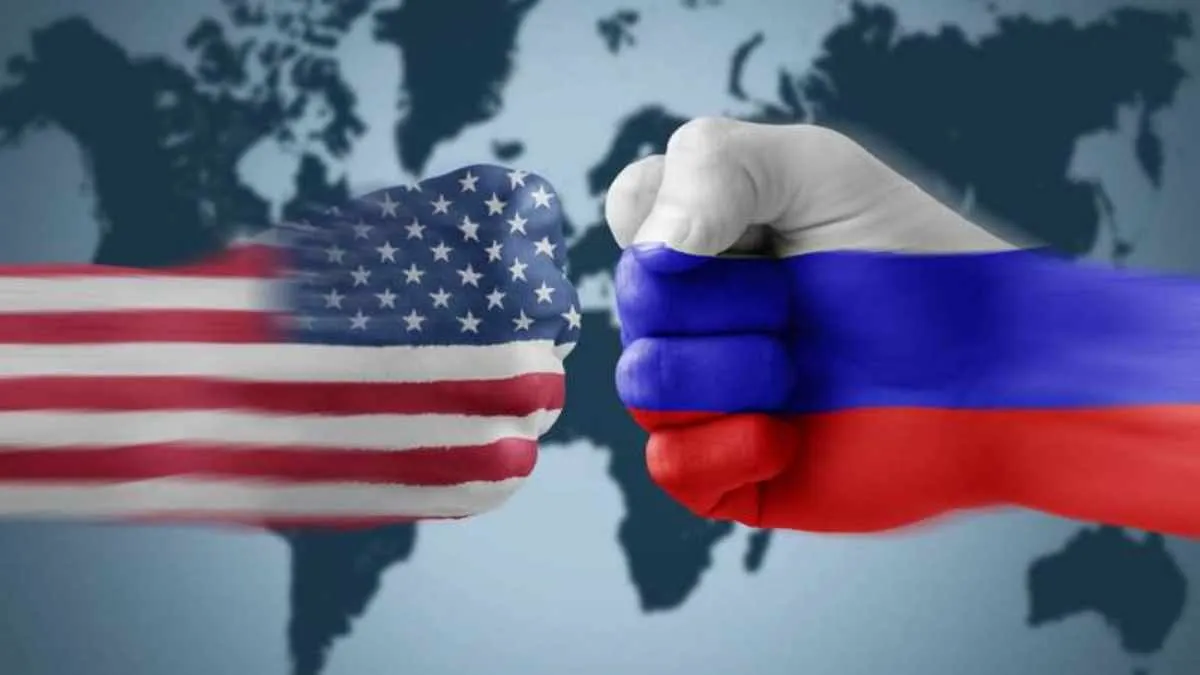
The US Third World Countries Ban has sparked major international debate as America plans new restrictions on nations it sees as “countries of concern.” With the US Third World Countries Ban, the government argues these are being influenced by rival powers like China – a move critics say could repeat Cold War-era divisions.
The term “Third World” emerged during the Cold War, yet it continues to shape global politics today. Recently, the United States has hinted at imposing strict entry restrictions on certain nations it unofficially classifies as Third World, sparking global debate and criticism from experts who argue this could worsen geopolitical tensions rather than foster cooperation.
Origin of the Third World Concept
The world after World War II was largely divided into two opposing blocs:
The Western Bloc, led by the United States and supported by democratic, industrial nations.
The Eastern Bloc was dominated by the Soviet Union and aligned with communist ideology.
Countries that did not align with either superpower were labeled as the Third World. While the term originally indicated political neutrality, over time it became associated with poorer, less industrialized countries.
How Countries Were Classified
First World Countries
These were wealthy democracies like the United States, Western Europe, Japan, South Korea, and Australia. Even some African territories, such as apartheid-era South Africa, Western Sahara under Spanish rule, Namibia, Angola, and Mozambique, were included. Neutral European states-Switzerland, Sweden, Ireland, Austria, and Finland-also fell in this group.
Second World Countries
These consisted of communist-socialist nations such as the former Soviet Union, East Germany, Czechoslovakia, China, Mongolia, North Korea, Cambodia, and Vietnam.
Third World Countries
This category included most of Asia, Africa, and Latin America – countries with struggling economies, limited industrialization, and colonial histories.
Why the US Is Concerned Today
U.S. Citizenship and Immigration Services (USCIS) Director Joseph Edlow recently announced tougher scrutiny for people applying for green cards from what he called countries of concern. When questioned, USCIS clarified that the list of such countries was based on a June executive order by President Donald Trump, naming 19 nations where U.S. security agencies fear foreign influence – especially from China.
The order either fully banned or partially restricted travelers from:
Afghanistan, Myanmar, Chad, the Republic of Congo, Equatorial Guinea, Eritrea, Haiti, Iran, Libya, Somalia, Sudan, Yemen, Burundi, Cuba, Laos, Sierra Leone, Togo, Turkmenistan, and Venezuela.
Experts Say the move Could Backfire
Many analysts argue that the U.S. should work with these countries instead of isolating them. They believe harsh restrictions could push them closer to China and ignite new geopolitical rivalries — making a Cold War–era term surprisingly relevant again in modern global politics.
